
Showing all 4 resultsSorted by popularity
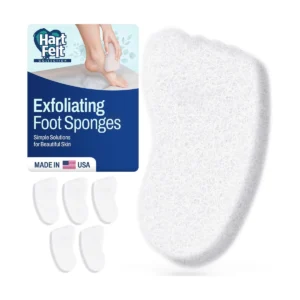

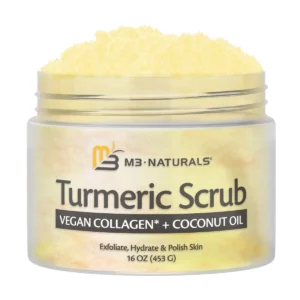
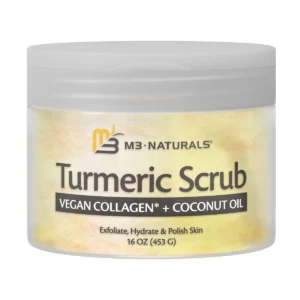
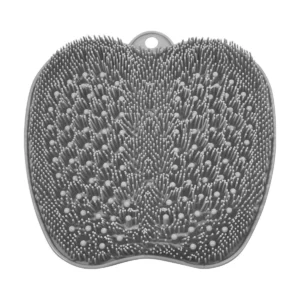


Choosing scrubs
Start with texture. Fine granules feel gentle and suit everyday use, while coarser grains remove more dead skin and are better kept for thick areas like heels and elbows. Check the form too. Scrubs come as gels, creams, salts, and pastes, and each feels different on the skin. Gels and creams are usually easier to rinse, while salt-based products tend to feel more abrasive.
Look at the ingredient list. If your skin runs dry, a formula with added oils or butters may feel more comfortable, and a lighter formula may suit oily or sensitive skin. Size matters as well, since a larger jar lasts longer with regular use. If you have sensitive skin, test a small spot first and read the label for directions.
Using a scrub well
Soak your feet or hands in warm water for a few minutes first. This softens the skin and makes the scrub easier to work with. Apply a small amount, massage in gentle circles for about a minute, then rinse thoroughly with lukewarm water. Avoid pressing hard, and skip areas that are raw, cracked, or broken.
Follow with a moisturizer while skin is still slightly damp to help it hold water. For dry heels, using a scrub a few times a week is often enough. Ease off if the skin looks red or feels tender. You can pair a scrub with salts and soaks for the soak step, then finish with foot creams and lotions or hand creams and lotions.
Questions about scrubs
How often should I use a foot or hand scrub?
Most people do well with once or twice a week. If your skin feels sore or looks irritated, reduce how often you use it and give your skin a day or two to settle.
Can I use a body scrub on my feet or hands?
Some body scrubs can be used there, but they are often coarser than formulas made for hands and feet. Check the label first, and choose a gentler formula for the thin skin on the backs of your hands.
Explore more in Foot & Hand Care or go back to Foot, Hand & Nail Care. Every order ships free.