
Showing the single result
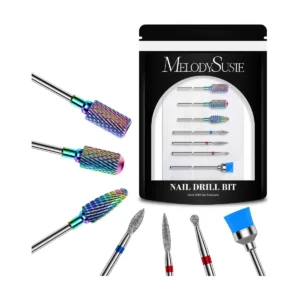

Choosing nail drill bits
Start with the material and grit. Bits are commonly made from carbide, diamond-coated metal, or ceramic, and coarseness ranges from fine to coarse. Coarser bits remove material faster, while finer bits give more control for shaping and smoothing. Match the shape to the job: barrel or cone shapes suit edges and sidewalls, and flat or round tips suit surface work.
Check that the shank fits your handpiece before you buy, since shank sizes and compatibility vary. If you work on nails often, look for a set with several shapes and grits so you are not relying on one bit for everything. Read the product details for materials or coatings you prefer to avoid.
Using nail drill bits safely
Start at a low speed and keep the bit moving so it does not sit in one spot. Let the bit do the work rather than pressing hard, and switch to a finer grit once you have the shape you want. Wear a dust mask and work in a ventilated area, since filings can build up.
Clean bits after each use with a soft brush and store them dry. Replace any bit that is chipped, bent, or clogged, because damaged bits can catch and slip. For related tools, browse our nail drills and nail tools ranges.
Questions about nail drill bits
What is the difference between carbide and diamond bits?
Carbide bits are durable and suit many shaping tasks, while diamond-coated bits often cut faster on harder material. Either type can work well, so choose based on the task and the handpiece you own.
How do I know which grit to start with?
Begin with a medium or coarser grit to remove bulk, then move to a finer grit for smoothing. Working slowly with a light touch makes it easier to stop before you remove too much.
Explore more in Tools & Accessories and Foot, Hand & Nail Care. Every order ships free.