How Long Does Makeup Last? When to Replace It
Makeup does not come with a firm expiration date, so it helps to know what experts recommend. This guide gathers timelines from the FDA, the AAD and Cleveland Clinic, shows where they differ, and links to each source.
This guide is general information from public sources, not medical advice. Vanity Aisle is a retailer, not a medical provider. Every claim below links to the organization that made it, so you can read the original. Where sources disagree, we show both.
No law requires an expiration date
The FDA says US law does not require cosmetics to carry expiration dates, and that manufacturers decide a product’s shelf life. It adds that eye-area cosmetics generally have shorter shelf lives than other cosmetics. (FDA: Shelf Life and Expiration Dating of Cosmetics)
When to replace each product
| Product | Replace after | Source |
|---|---|---|
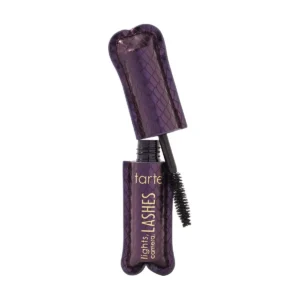
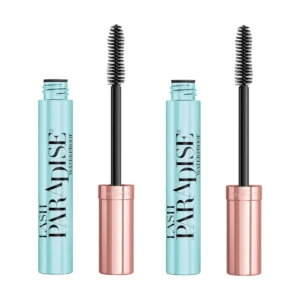
| Mascara | 2 to 4 months after buying (FDA); 3 months (AAD); 6 months (Cleveland Clinic) | FDA, AAD, Cleveland Clinic |
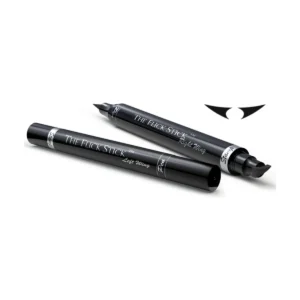
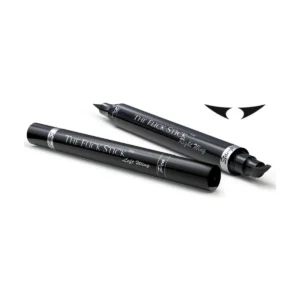
| Liquid eyeliner | 6 months | Cleveland Clinic |
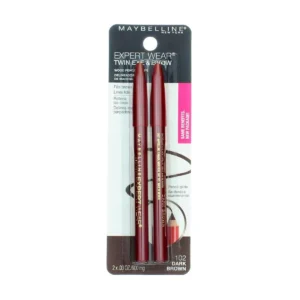
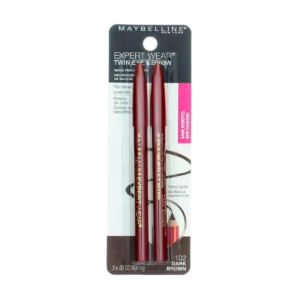
| Pencil eyeliner | 1 to 2 years | Cleveland Clinic |
| Liquid foundation or concealer | 6 months | Cleveland Clinic |
| Powder foundation, concealer, blush or eyeshadow | 1 to 2 years | Cleveland Clinic |
| Cream blush | 6 months | Cleveland Clinic |
| Lipstick and lip gloss | 6 months | Cleveland Clinic |
| Makeup that contains SPF | 6 months | Cleveland Clinic |
| Makeup sponges | Clean after every use | AAD |
| Makeup brushes | Clean every 7 to 10 days (AAD); Cleveland Clinic gives different timing by brush type, from weekly to monthly | AAD, Cleveland Clinic |
Where the sources differ, a safe approach is to follow the shorter time. The FDA counts mascara from the day you buy it, while Cleveland Clinic counts from the day you open it. If a product shows a jar symbol with a number and “M” (for example 24M), Cleveland Clinic says that is the number of months to use it after opening. Powder products generally last longer than liquid or cream ones.
Signs it is time to toss a product
- FDA: dried-out mascara, hardened or cracked product, a change in color or texture, an odor, or oil and water separating.
- AAD: clumping, separation, crumbling, a bad smell, or a runny or flaky texture.
- Cleveland Clinic: a sour or chemical smell, gritty eyeliner, oxidized color, or new breakouts or reactions.
Keeping makeup clean
- Wash your hands before applying eye products, and keep applicators and containers clean. (FDA)
- Do not add water or saliva to dried-out mascara. The FDA says bacteria can grow and water dilutes the preservative.
- Do not share eye products, even with close friends. (FDA) The AAD says not to share anything applied to skin or lashes.
- At a store, use a single-use applicator, such as a clean cotton swab, instead of the tester’s own. (FDA)
- Store makeup below 85 degrees Fahrenheit and out of hot places like parked cars, because heat can break down preservatives. (FDA)
- Use a product near the eyes only if it is meant for that; for example, do not use lip liner as eyeliner. (FDA)
- Stop using a product that irritates your eyes, and see a doctor if irritation continues. (FDA)
- After an eye infection, discard the eye products you were using. The American Academy of Ophthalmology says to wait about two weeks after pink eye before wearing makeup again and to throw away old makeup. (AAO)
Sources for the FDA points above: FDA: Eye Cosmetic Safety and FDA: Shelf Life and Expiration Dating of Cosmetics.
Browse eye makeup
See our mascara and eyeliner collections.


Sources
- FDA: Eye Cosmetic Safety (fda.gov)
- FDA: Shelf Life and Expiration Dating of Cosmetics (fda.gov)
- AAD: When to toss your makeup and sunscreen (aad.org)
- Cleveland Clinic: When does your makeup expire? (clevelandclinic.org)
- Cleveland Clinic: How to clean your makeup brushes (clevelandclinic.org)
- American Academy of Ophthalmology: Makeup after conjunctivitis (aao.org)